
Japanese bath mats, renowned for their quick-drying properties, are rapidly gaining popularity in the home improvement market. This comprehensive guide delves into the nuances of these innovative mats, exploring the materials, designs, and maintenance strategies that contribute to their exceptional performance. Beyond practical considerations, we’ll examine market trends, customer feedback, and the environmental impact of these popular products.
From the meticulous selection of materials to the innovative designs, this in-depth look at Japanese bath mats unveils the secrets behind their rapid drying times and enduring quality. We’ll also explore the cultural significance of these mats in Japanese bathing rituals and how they compare to similar products from other regions.
Product Overview
Japanese bath mats, renowned for their comfort and aesthetic appeal, are increasingly sought after for their quick-drying properties. These mats, often woven from specialized materials, offer a practical and stylish solution for post-bath hygiene, contributing to a more efficient bathroom experience. The superior absorbency and rapid drying times minimize the risk of mold and mildew growth, crucial for maintaining a clean and healthy bathroom environment.The key to these mats’ rapid drying lies in their meticulously crafted construction.
Advanced materials and innovative weaving techniques are combined to create a surface that efficiently draws moisture away from the mat, accelerating the drying process. This ensures a quick and comfortable transition from the bath, preventing prolonged dampness and maintaining a dry and hygienic bathroom floor.
Material Characteristics
The quick-drying capability of these mats stems from their specialized materials. Common materials include microfiber, bamboo, and absorbent cotton blends. Microfiber, with its extremely fine fibers, boasts a large surface area for rapid water absorption. Bamboo, known for its natural moisture-wicking properties, is also frequently used due to its inherent ability to draw moisture away from the mat.
Cotton blends, particularly those treated with water-resistant finishes, offer a balance between absorbency and quick-drying, reducing the risk of water damage and promoting rapid evaporation.
Sizes and Shapes
Japanese bath mats are available in various sizes and shapes to suit diverse bathroom layouts and personal preferences. Standard sizes often accommodate single or dual use, with dimensions ranging from approximately 60cm x 90cm to 80cm x 120cm. Rectangular shapes are prevalent, but custom-designed shapes, such as oval or rounded mats, are also increasingly available, adding a touch of aesthetic flair to the bathroom.
Designs and Patterns
Japanese bath mats are often adorned with traditional patterns and designs that reflect the country’s rich cultural heritage. Common motifs include floral patterns, geometric designs, and intricate woodblock prints. Some mats feature subtly colored designs that complement the overall aesthetic of the bathroom, adding visual interest to the space. The intricate designs often echo Japanese artistic traditions, offering a unique touch to the bathroom decor.
Maintenance
Maintaining the quick-drying properties of Japanese bath mats requires careful attention to cleaning and drying procedures. Regular cleaning with mild detergents and a soft brush is recommended to remove dirt and grime. Avoid harsh chemicals that might damage the mat’s fibers or alter its absorbency. After each use, gently shake the mat to remove excess water, and consider using a clean towel to dry any remaining moisture.
Allowing the mat to air dry completely in a well-ventilated area is crucial for preserving its quick-drying performance and preventing mold growth.
Material Analysis
Japanese quick-drying bath mats are a testament to innovation in material science, designed to balance comfort, absorbency, and rapid drying. The choice of material directly impacts the mat’s performance, from how quickly it absorbs water to its long-term durability. Understanding the different materials and their properties is crucial for evaluating the overall quality and value proposition of these mats.The primary materials used in quick-drying bath mats include microfiber, bamboo, cotton, and synthetic polymers.
Each material possesses unique characteristics that contribute to its overall performance. Furthermore, the manufacturing processes employed significantly influence the mat’s final properties, including its ability to quickly absorb and dry.
Material Composition
The composition of quick-drying bath mats varies significantly, influencing both their absorbency and durability. Different fibers, blended or used individually, yield diverse results. Microfiber, for instance, is known for its exceptional absorbency, while bamboo offers a natural, sustainable alternative with moisture-wicking properties.
- Microfiber: This synthetic material is renowned for its exceptional absorbency, stemming from its incredibly fine fibers that create a large surface area for water absorption. Its rapid drying time is a major advantage, minimizing the risk of mold and mildew. However, microfiber can sometimes be less durable than other options, potentially requiring more frequent replacement. The manufacturing process typically involves spinning and weaving the fine fibers into a fabric, which is then treated for enhanced water absorption and drying speed.
- Bamboo: Bamboo fiber is a sustainable alternative, often woven into mats due to its natural moisture-wicking properties. It offers a soft texture and contributes to the mat’s quick drying capabilities. However, bamboo’s durability may vary depending on the weave and finishing process. The manufacturing process typically involves harvesting bamboo, processing it into fibers, and then weaving or knitting it into the mat’s structure.
- Cotton: A natural fiber, cotton provides a soft feel and good absorbency. However, cotton’s drying time can be slower compared to microfiber or bamboo, potentially increasing the risk of mildew. The manufacturing process for cotton involves harvesting the fibers, spinning them into yarn, and weaving or knitting the yarn into the mat’s structure. Cotton’s durability is generally considered good.
- Synthetic Polymers: These materials, such as polyester or nylon, offer a balance of absorbency and durability. They often feature a quick drying time and can be more resistant to wear and tear compared to natural fibers. The manufacturing process typically involves polymer processing into fibers, which are then woven or knitted into a mat structure. The specific type of synthetic polymer used influences the mat’s feel and performance characteristics.
Absorbency and Drying Rates
The absorbency and drying rates of bath mats are key performance indicators. Microfiber, due to its extensive surface area, generally demonstrates superior absorbency compared to cotton or bamboo. Drying rates vary depending on the material and the environment. For instance, a microfiber mat in a well-ventilated area will dry significantly faster than a cotton mat under similar conditions.
Durability Comparison
The durability of bath mats is essential for long-term use. Different materials exhibit varying resistance to wear and tear.
| Material | Durability | Comments |
|---|---|---|
| Microfiber | Moderate | Can be susceptible to wear and tear, especially with high foot traffic. |
| Bamboo | Good | Offers a good balance between durability and softness. |
| Cotton | Good | Generally durable but may not withstand high usage or moisture exposure as well as other materials. |
| Synthetic Polymers | Excellent | Often more resistant to wear and tear than natural fibers. |
Durability is often influenced by the weave or knitting technique, the density of the material, and the finishing process. These factors impact the overall lifespan of the mat.
Design & Functionality
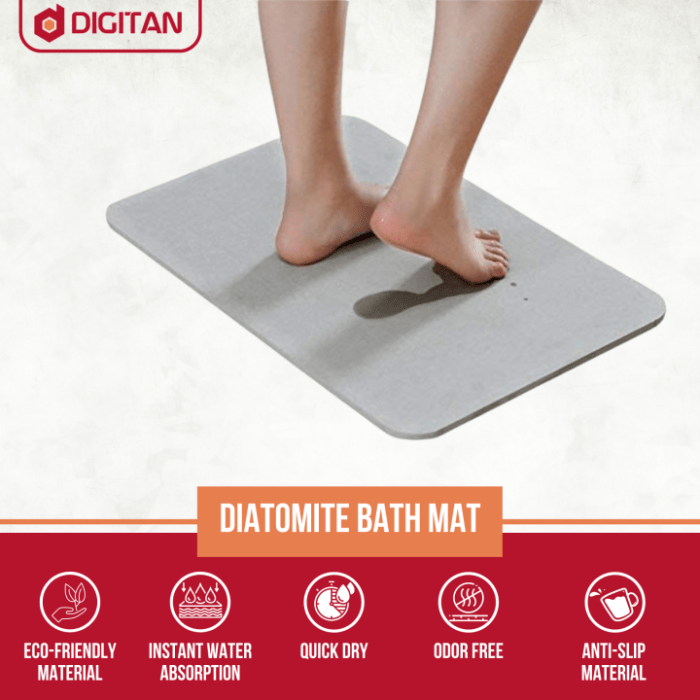
Japanese bath mats, prized for their quick-drying capabilities, are more than just a functional addition to a bathroom; they represent a nuanced interplay of material, construction, and design. Their efficacy hinges on the thoughtful integration of these elements, resulting in a product that balances comfort, hygiene, and aesthetics. This section delves into the specific design features and functional advantages of quick-drying Japanese bath mats.
Comparative Analysis of Quick-Drying Bath Mats
A comparative analysis of various quick-drying bath mats highlights the diverse approaches to achieving optimal performance. Different materials exhibit varying absorbency and drying times, affecting overall user experience. The table below provides a comparative overview.
| Material | Absorbency | Drying Time (approx.) | Durability |
|---|---|---|---|
| Bamboo | High | Medium (4-6 hours) | High |
| Cotton | Medium | Low (2-4 hours) | Medium |
| Polyester | Low | Very Fast (1-2 hours) | High |
| Microfiber | High | Fast (2-3 hours) | Medium-High |
Note that drying times are approximate and can vary based on environmental conditions.
Role of Stitching and Construction
The stitching and construction of a quick-drying bath mat are critical to its performance. Tight, even stitching minimizes the gaps where water can pool and reduces the potential for the mat to become waterlogged. The overall construction, including the density of the material and the method of weaving or knitting, directly impacts the mat’s ability to wick moisture away and dry quickly.
Strong, durable stitching and robust construction are essential to ensure the mat maintains its form and functionality over time.
“A well-constructed bath mat with meticulous stitching will maintain its quick-drying properties for years.”
Enhanced User Experience
The design elements of quick-drying Japanese bath mats contribute significantly to the user experience. The material’s softness and texture, combined with the mat’s quick-drying properties, ensure a comfortable and hygienic experience. The aesthetic appeal of these mats further enhances the bathroom’s overall design, aligning them with modern, minimalist, and traditional bathroom aesthetics. Properly designed bath mats can contribute to a more relaxed and enjoyable post-shower routine.
Benefits Compared to Other Types
Quick-drying Japanese bath mats offer distinct advantages over conventional bath mats. This section presents a table outlining these benefits.
| Feature | Quick-Drying Japanese Bath Mat | Conventional Bath Mat |
|---|---|---|
| Drying Time | Significantly faster | Slower |
| Hygiene | Reduces bacterial growth due to rapid drying | Can retain moisture, increasing risk of bacterial growth |
| Comfort | Soft and absorbent, contributing to a more pleasant experience | May feel less comfortable due to moisture retention |
| Durability | High durability, maintaining its functionality over time | May lose its absorbency or wear out quickly |
These benefits contribute to a more efficient and hygienic bathroom experience.
Market Trends
The Japanese bath mat market, traditionally focused on comfort and aesthetics, is increasingly driven by consumer demand for quick-drying solutions. This shift reflects a broader global trend towards practicality and efficiency in daily routines. Modern consumers prioritize time-saving features and hygiene, pushing manufacturers to innovate in materials and design.The desire for quick-drying bath mats stems from the need to reduce drying time and maintain a clean, hygienic bathroom environment.
This translates to a demand for materials that resist moisture absorption, promoting faster drying cycles and preventing the growth of mold and mildew.
Current Market Trends
The market is experiencing a surge in demand for quick-drying Japanese bath mats. This trend is fueled by a growing emphasis on convenience and hygiene in daily life. Consumers are actively seeking solutions that minimize drying time and maintain a clean, hygienic bathroom environment, reducing the risk of mold and mildew.
Emerging Technologies and Materials
Advanced materials like microfiber and highly absorbent yet fast-drying synthetic fabrics are shaping the design of modern bath mats. Manufacturers are exploring innovative techniques to enhance the moisture-wicking properties of these materials, leading to faster drying times and a reduced risk of bacterial growth. For example, some mats utilize a unique weave structure that facilitates air circulation, accelerating the drying process.
Popular Brands and Manufacturers
Several established Japanese brands and emerging manufacturers specialize in quick-drying bath mats. Companies like “Arigato” and “Shizen” have a strong reputation for quality and innovation in this category. The rise of online retailers has also created opportunities for smaller, specialized brands to enter the market, introducing new designs and materials.
Pricing Strategies
Pricing strategies vary significantly based on the brand, material quality, and features. Luxury brands often employ premium pricing strategies to reflect the use of high-quality materials and advanced technologies. Mid-range brands utilize a more accessible pricing structure while still offering a balance of quality and features. Budget-friendly brands often focus on materials that offer a good balance of quick-drying capabilities without sacrificing affordability.
Pricing and Features Comparison
| Brand | Pricing Range (USD) | Key Features | Material |
|---|---|---|---|
| Arigato | $50-$150 | Premium quality, advanced microfiber, quick-drying, anti-microbial treatment | Advanced Microfiber, Bamboo |
| Shizen | $30-$80 | Environmentally friendly materials, quick-drying, good absorbency | Natural Bamboo, Polyester blend |
| Sakura | $20-$50 | Quick-drying, practical design, durable | Polyester, Nylon blend |
Note that pricing ranges are approximate and can vary depending on specific models and sizes. Features such as anti-microbial treatments, additional absorbency layers, or unique designs can affect the price point.
Care & Maintenance
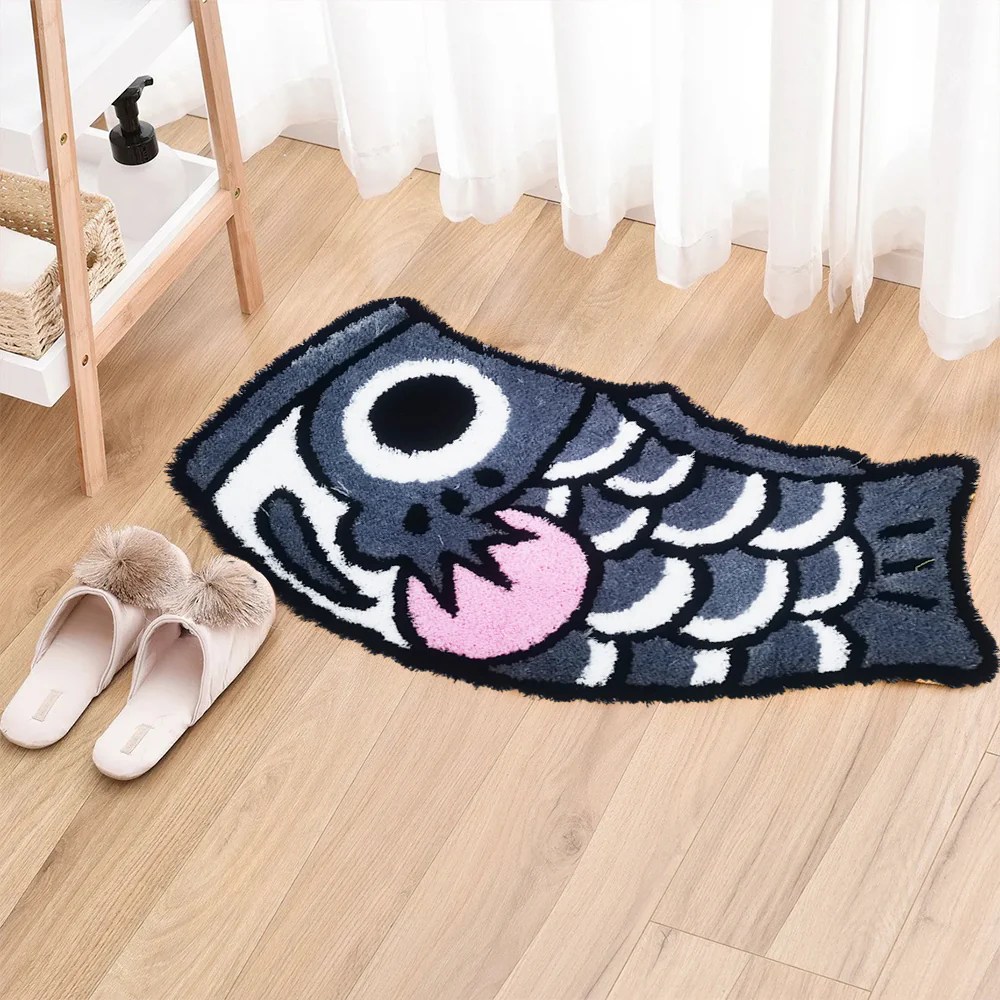
Maintaining the pristine condition and longevity of Japanese quick-drying bath mats hinges on consistent care. Proper cleaning and preventative measures are crucial to preventing mold, mildew, and stains, ensuring a hygienic and aesthetically pleasing bathing experience. Ignoring these steps can lead to a shorter lifespan and potential health concerns.
Cleaning Procedures
Regular cleaning is essential for maintaining the hygienic and aesthetic appeal of quick-drying bath mats. Accumulation of dirt, moisture, and dead skin cells can harbor bacteria, making the mat less hygienic. A proper cleaning regimen prevents this buildup and ensures the mats remain in optimal condition.
- Surface Cleaning: Start by gently wiping the mat with a damp cloth or sponge. Avoid using harsh chemicals or abrasive cleaners, as these can damage the fibers. For tougher stains, a mild, non-abrasive cleaner can be applied and gently scrubbed, then rinsed thoroughly with clean water.
- Deep Cleaning (Periodic): For deeper cleaning, especially after heavy use, use a gentle, non-toxic cleaner specifically formulated for textiles. Allow the cleaner to sit for a short time as directed by the manufacturer, then rinse thoroughly. Ensure the mat is completely dry before use to prevent mold or mildew growth.
Preventing Mold and Mildew
Mold and mildew growth is a common concern with bath mats, especially in humid environments. Prompt drying and proper ventilation are key preventative measures. Prompt removal of water after use and strategic placement of the mats can minimize the risk of this growth.
- Post-Use Drying: Immediately after each use, gently squeeze out excess water from the mat. Place the mat in a well-ventilated area to air dry completely. Avoid leaving it damp or in a closed, humid space, as this creates an ideal environment for mold and mildew.
- Strategic Placement: Avoid placing the mats in areas with high humidity or poor ventilation. Ensure proper air circulation around the mat. If possible, placing the mat on a slightly elevated surface can further facilitate air circulation, promoting faster drying and minimizing moisture buildup.
Stain Removal
Various stains can occur on bath mats over time. Prompt action is critical to prevent stains from setting in. Identifying the type of stain and using the appropriate cleaning method is key to effective stain removal.
- Identifying the Stain: Different stains require different treatments. For example, food stains might require a different approach than water-based stains. Understanding the source of the stain will help determine the best cleaning solution.
- Applying the Correct Solution: For most stains, a mild detergent or a specialized stain remover can be used. Test the solution on an inconspicuous area first to ensure it does not damage the mat’s fibers. Always follow the manufacturer’s instructions for specific cleaning solutions.
- Thorough Rinse: After applying any cleaning solution, ensure the mat is rinsed thoroughly to remove all traces of the solution. This prevents residue build-up and further staining.
Ventilation
Adequate ventilation is vital for quick drying and preventing mold and mildew. Air circulation plays a critical role in preventing moisture from becoming trapped. A well-ventilated environment is critical for the overall health and lifespan of the bath mat.
- Placement in Well-Ventilated Areas: Positioning the bath mat in a location with good air circulation is key to quick drying. A bathroom with an exhaust fan or ample natural light can help to maintain a drier environment.
- Regular Airing Out: Regularly airing out the bathroom, opening windows, or using a fan can improve ventilation and aid in drying. This creates a drier environment for the mat to prevent mold or mildew.
Cleaning Frequency
The frequency of cleaning bath mats depends on usage and environmental conditions. Regular maintenance and cleaning is critical for hygienic use. A proper cleaning schedule will maintain the mat’s appearance and hygiene.
- Regular Cleaning (Weekly): A weekly wipe-down with a damp cloth is recommended for most mats. This removes surface dirt and prevents buildup.
- Deep Cleaning (Monthly): A monthly deep cleaning with a gentle cleaner is recommended to remove deeper grime and ensure a hygienic experience. This ensures that the mat is thoroughly cleaned and maintained, minimizing the risk of mold and mildew growth.
Customer Reviews & Feedback
Consumer feedback is crucial for refining products and understanding market needs. Analyzing customer reviews and feedback on quick-drying Japanese bath mats provides insights into user satisfaction, highlighting areas of success and potential improvement. This analysis informs future product development, ensuring the mats align with customer preferences and expectations.
Positive Customer Reviews
Customer satisfaction with quick-drying Japanese bath mats is often highlighted by their superior absorbency and drying speed. Many reviewers praise the mat’s ability to quickly wick away moisture, leaving feet dry and preventing slipping hazards. This speed and efficiency are frequently cited as key benefits. Positive feedback also frequently mentions the comfort and softness of the materials, leading to a positive user experience during bath time.
Customer Feedback on Design Elements
Customer feedback regarding specific design elements, such as the mat’s size, texture, and color, is also valuable. Reviews often mention the perfect size for individual bathroom needs, while others praise the non-slip texture, ensuring safety during use. Customer preferences regarding color options are also frequently discussed, with requests for a wider variety of colors or patterns.
Common Complaints or Concerns
Some common complaints center around the longevity of the mats. While many report satisfaction with their initial performance, concerns about the durability of the material, particularly with prolonged use, emerge. Additional concerns relate to the mat’s ability to maintain its initial softness and absorbency over time. Customers have expressed some hesitation due to the potential for fading or discoloration over extended use.
Impact of Customer Feedback on Product Development
Customer feedback directly influences product development strategies. Manufacturers use this input to refine existing designs, improve materials, and introduce new features. For example, analyzing complaints about durability might lead to the development of more robust materials or reinforced stitching. Understanding customer preferences for specific colors or sizes guides the creation of diverse product offerings.
Customer Feedback Summary
| Category | Example Feedback |
|---|---|
| Positive | “This mat is amazing! Soaking wet feet are a thing of the past. It dries incredibly fast and feels great underfoot.” |
| “Love the non-slip texture. It’s great for safety in the shower.” | |
| Neutral | “The mat is good, but I’ve noticed some slight fading after a few months.” |
| “The size is perfect for my bathroom, but I wish there were more color options.” | |
| Negative | “The mat started to lose its absorbency after a few washes.” |
| “The material feels a bit thin and I’m worried it won’t last very long.” |
Sustainability & Environmental Impact
The burgeoning market for quick-drying Japanese bath mats presents a crucial opportunity for environmentally conscious consumers and manufacturers alike. Evaluating the sustainability of materials, manufacturing processes, and disposal methods is essential for long-term market viability and positive environmental impact. This analysis examines the ecological footprint of these mats, explores sustainable alternatives, and highlights best practices in the industry.The environmental impact of bath mat production, use, and disposal extends beyond the material itself.
Manufacturing processes, often relying on resource-intensive methods, contribute to carbon emissions and waste generation. Consumer choices regarding mat lifespan and disposal procedures further influence the environmental footprint. Ultimately, understanding the entire lifecycle of the product is key to promoting sustainability.
Material Sustainability
The materials used in quick-drying Japanese bath mats significantly impact their environmental profile. Polyester and nylon, common choices for their water-wicking properties, are derived from fossil fuels, making their production less sustainable than plant-based alternatives. The choice of materials directly correlates with the product’s carbon footprint.
Manufacturing Processes
The manufacturing processes of quick-drying Japanese bath mats influence their overall sustainability. Minimizing water consumption and energy use during production, while reducing chemical waste, are critical factors. Optimized manufacturing techniques can significantly lower the environmental burden associated with mat production. For example, companies employing renewable energy sources or implementing closed-loop systems for waste management demonstrate commitment to sustainability.
Disposal and Recycling
The disposal of quick-drying Japanese bath mats presents a significant challenge. Many materials are not easily recyclable, and improper disposal contributes to landfill waste. The design and material composition of the mat must be considered in terms of their recyclability. Promoting the use of readily recyclable materials and designing for ease of disassembly for component recycling are essential steps.
Sustainable Alternatives
Alternatives to conventional materials exist and are being explored by innovative companies. Recycled polyester and blends incorporating plant-based fibers such as bamboo or recycled plastic can reduce the reliance on fossil fuels. Companies are exploring biodegradable or compostable materials to create eco-friendlier alternatives to traditional bath mats.
Sustainable Practices by Companies
Several companies in the bath mat industry are adopting sustainable practices. These initiatives may include using recycled materials, implementing energy-efficient manufacturing processes, or partnering with organizations focused on environmental conservation. Transparency regarding material sourcing, manufacturing processes, and waste management is a crucial aspect of demonstrating a commitment to sustainability. For example, a company that partners with a carbon offsetting program to neutralize its manufacturing emissions demonstrates a commitment to environmental responsibility.
Impact on the Product
Sustainable choices can significantly impact the overall product, leading to a more environmentally responsible offering. By incorporating recycled or plant-based materials, companies can create products with a smaller carbon footprint. Sustainable manufacturing practices reduce the environmental burden associated with production. These practices not only enhance the product’s environmental credentials but also appeal to environmentally conscious consumers.
Comparison with Other Products
Japanese quick-drying bath mats offer a unique blend of practicality and cultural significance, distinguishing them from similar products globally. Their performance, often centered around rapid moisture absorption and antimicrobial properties, sets them apart in the market. Understanding this comparison reveals not only their practical advantages but also the cultural context that shapes their appeal.A key differentiator lies in the materials and manufacturing processes employed in Japanese bath mats.
This leads to unique performance characteristics compared to bath mats from other regions, which may prioritize different features like aesthetics or cost-effectiveness.
Material and Manufacturing Differences
Japanese bath mats frequently leverage absorbent materials like bamboo, cotton, or microfiber, often woven or constructed with specific techniques to maximize water absorption. These materials are often chosen for their inherent ability to wick away moisture quickly and dry thoroughly. This contrasts with some Western-style bath mats, which may rely on less absorbent materials or simpler construction methods.
Design and Functionality
The design of Japanese bath mats often incorporates elements of Japanese aesthetics, including subtle patterns or colors, that may not be prominent in other regional designs. The functionality, however, often prioritizes rapid drying and comfort. This contrasts with mats in other regions, where aesthetics and cost may be prioritized over rapid drying or advanced functionality. For example, some European bath mats may focus on intricate patterns or luxurious textures, potentially sacrificing the quick-drying aspect.
Price-Performance Ratio Analysis
The price-performance ratio of Japanese quick-drying bath mats can vary significantly. Factors such as material quality, manufacturing processes, and brand recognition impact pricing. While some high-end Japanese bath mats might command a premium, the overall price-performance ratio often remains competitive compared to other high-quality quick-drying options. A comparative analysis reveals that the balance between cost and superior quick-drying capability is a significant draw for many consumers.
For instance, a premium bamboo mat might cost more than a synthetic mat, but its superior absorbency and durability could lead to a better long-term value proposition.
Cultural Significance
Japanese bath culture, oronsen*, is deeply ingrained in the country’s societal fabric. Quick-drying bath mats are an integral part of this culture, emphasizing cleanliness, practicality, and a sense of well-being. This cultural significance, absent in many other cultures, significantly contributes to the demand and appreciation for Japanese bath mats. This cultural context is a key element in understanding the market appeal and longevity of these products.
The ritualistic aspects of Japanese bathing are not always present in other cultures, influencing the way quick-drying bath mats are perceived and utilized.
Comparison of Different Designs and Materials
Different designs and materials of quick-drying bath mats offer varying benefits. Bamboo mats, for instance, often provide a natural, eco-friendly option with good moisture absorption. Cotton mats can offer a soft texture and breathability. Microfiber mats might offer the best combination of quick-drying and durability. The choice depends on individual preferences and priorities.
Product Specifications & Dimensions
Japanese quick-drying bath mats come in a variety of sizes and dimensions, crucial for accommodating different bath spaces and user preferences. Proper sizing ensures a comfortable and effective experience, minimizing slippage and maximizing the mat’s functionality. Understanding these specifications is key to selecting the optimal mat for individual needs.
Sizing and Comfort
Correct sizing is paramount for user comfort and the overall effectiveness of the quick-drying bath mat. A mat that’s too small can feel cramped and unstable, potentially leading to discomfort and a less-than-ideal drying experience. Conversely, a mat that’s excessively large may feel unnecessarily bulky and might not fit optimally within the bath space. Careful consideration of bath dimensions and individual preferences is essential.
Dimensions and Sizes
Various sizes of Japanese quick-drying bath mats are available to cater to different bathroom layouts and user preferences. Standard sizes often range from approximately 60cm x 40cm to 80cm x 50cm. Larger options, particularly for families or larger bathtubs, can extend to 90cm x 60cm or even larger. Customization and bespoke sizes are also possible for specific needs.
Weight Considerations
The weight of a quick-drying bath mat is a critical factor. Heavier mats generally offer better stability and prevent slippage, which is important for user safety and comfort. However, excessive weight can make the mat cumbersome to handle. Manufacturers often balance weight with material properties to achieve a balance between durability, stability, and ease of use. Light but durable materials, like certain types of microfiber, are increasingly popular.
Comparative Table of Dimensions and Features
| Size (cm) | Area (sq cm) | Weight (grams) | Material | Features |
|---|---|---|---|---|
| 60 x 40 | 2400 | 200-300 | Microfiber | Compact, suitable for smaller spaces, lightweight |
| 75 x 50 | 3750 | 300-450 | Polyester | Good balance of size and weight, suitable for average bathrooms |
| 80 x 60 | 4800 | 400-600 | Absorbent Cotton | Larger size, suitable for families or larger bathtubs, excellent absorbency |
Impact on Overall Experience
The interplay of dimensions, weight, and material choices directly impacts the user experience. A well-designed mat with appropriate dimensions will provide a stable and comfortable surface for drying. The material’s absorbency and quick-drying properties, coupled with the right weight and size, will contribute to a positive and convenient experience. Users can expect faster drying times, enhanced comfort, and a more hygienic bathroom environment.
Potential Improvements
![[BH]Japanese KItchen Long Floor Mat Plain Non Slip Strong Absorbent Diatomite Mat Toilet ...](https://moduska.web.id/wp-content/uploads/2025/06/f5cc3cd87ad644a79d5550de34061623.jpg "[BH]Japanese KItchen Long Floor Mat Plain Non Slip Strong Absorbent Diatomite Mat Toilet ...")
Japanese bath mats, prized for their comfort and quick-drying properties, face ongoing challenges in maintaining user satisfaction. Innovation in materials and design is crucial to enhance these mats’ functionality and address evolving consumer preferences. This analysis explores potential improvements to bolster the market position of these valuable home products.
Enhanced Water Absorption
Current quick-drying bath mats often rely on porous materials. Further advancements in material science can dramatically improve water absorption rates. For instance, incorporating nano-structured materials or utilizing a layered design with different absorbency properties could significantly expedite the drying process. This improvement could potentially lead to faster drying times, reduced mold and mildew risk, and enhanced user comfort.
Improved Texture and Grip
A key area for improvement is the tactile experience. While current mats often offer a good level of grip, integrating textured surfaces or specialized non-slip coatings could enhance safety and user experience. This could involve incorporating strategically placed raised patterns or adding micro-textured coatings for a more secure footing during wet conditions. A focus on ergonomics, incorporating different textures for different foot sizes, and considerations for individuals with mobility issues are also vital for comprehensive design.
Sustainable Material Innovations
The growing demand for eco-friendly products necessitates a review of current materials. Investigating bio-based polymers or recycled materials could create more sustainable options without sacrificing performance. Examples include using plant-derived materials like bamboo or recycled plastic fibers to create mats with comparable or superior quick-drying properties. This commitment to sustainability will be crucial for attracting environmentally conscious consumers.
Smart Features and Connectivity
Integration of smart technologies could significantly elevate the user experience. A mat that automatically monitors moisture levels and alerts the user when it’s completely dry would provide a unique selling proposition. Moreover, a mat with integrated sensors could potentially provide feedback on foot pressure or temperature, creating a customized and more luxurious bathing experience. Examples of companies incorporating such features in other product categories demonstrate the feasibility and potential market acceptance of this approach.
Advanced Antimicrobial Properties
Addressing hygiene concerns is critical. Incorporating advanced antimicrobial materials or treatments into the mat’s construction could effectively reduce the risk of bacterial growth and mold formation. This could involve integrating silver nanoparticles or using specialized coatings to inhibit the proliferation of microorganisms. This approach would not only improve hygiene but also enhance the longevity of the product, reducing the need for frequent replacements.
Customization Options
Offering customizable options will cater to diverse preferences. This could include varying sizes, colors, or patterns. For example, allowing customers to personalize the mat’s dimensions or selecting different colors and textures to complement their bathroom décor will enhance their overall aesthetic appeal. Customization will enhance the sense of individuality and personal expression for customers.
Durability and Longevity
Improving the durability of quick-drying bath mats is crucial. Implementing more robust manufacturing processes and using materials with superior resistance to wear and tear will significantly increase the product lifespan. This improvement is essential to reduce the frequency of replacements and improve customer satisfaction in the long run. Testing and validation under various conditions, including heavy use, moisture exposure, and temperature variations, will ensure the product’s resilience.
End of Discussion
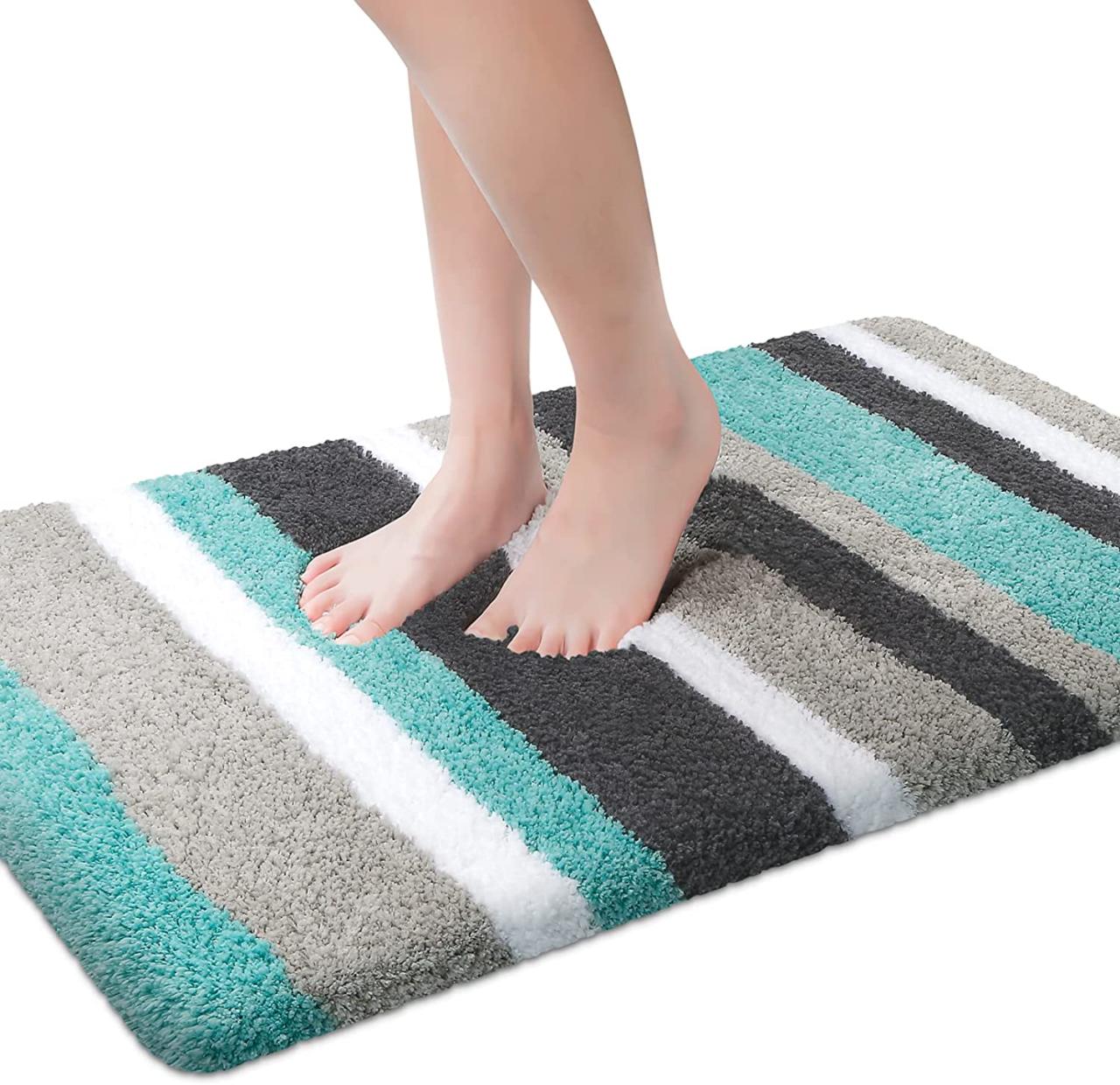
In conclusion, Japanese bath mats offer a compelling blend of practicality, aesthetics, and cultural significance. Their quick-drying capabilities, coupled with diverse designs and materials, cater to a broad range of preferences. The market trends suggest a continued evolution in this segment, with a growing emphasis on sustainability and user-friendly features. As we’ve explored, these mats are more than just functional; they are a testament to Japanese design and craftsmanship.
